

The landscape of pressing in international football is shifting profoundly as national teams experiment with detailed adjustments to pressing triggers and press heights. These modifications, often subtle to the untrained eye, are revolutionizing how teams regain possession and control the tempo of the game. In the world of TacticalPressing, understanding these tweaks provides fans with insight into the chess-like battles unfolding behind the scenes during every international break. From the rapid recognition of DefensiveTriggers such as backward or lateral passes to altering the zone of engagement through varying PressHeights, teams are crafting nuanced TeamStrategies to disrupt opponents’ rhythm and capitalize on their errors.
Various national squads are pushing the envelope by combining pressing intensity with intelligent positioning to conserve energy while maintaining relentless pressure high up the pitch. This careful calibration between high-risk and controlled pressing zones is not just about running hard—it’s about the precise moment to spring the trap, dictated by expertly identified triggers. These tactical evolutions are captured through comprehensive video analysis, enabling coaching staffs to bake these principles into collective team actions. Examining the latest PressingTrends in international football leads to compelling revelations about how teams manipulate triggers like body orientation or poor first touches to gain a strategic edge on the world stage.
The following detailed sections dissect these pressing innovations, delving into how national teams manipulate triggers and adjust press heights with surgical precision. For enthusiasts who crave a deeper grasp of pressing dynamics beyond basic formation setups, this analysis sheds light on the interplay of instinct, preparation, and intelligence fueling some of the most electrifying defensive moments in modern football.
In brief:
- National teams increasingly employ targeted pressing triggers such as backward passes or poor touches to time their collective pressing more effectively.
- Press heights vary depending on opponent profile and game context, with some teams deploying ultra-high presses while others strategically sit deeper.
- Training drills emphasizing trigger recognition help players synchronize pressing efforts, reducing energy waste and avoiding chaotic or reactive pressing.
- Top-level sides incorporate pressing traps by guiding opponents into less dangerous zones before launching rapid pressure bursts.
- A fine balance between physical intensity and tactical intelligence is now a hallmark of elite international pressing systems.
Decoding Pressing Triggers: The Key Moments That Ignite National Teams’ Press
Modern football’s pressing systems have crossed a threshold where brute force alone cannot suffice. Rather than indiscriminately hounding opponents, elite national teams focus on identifying and responding to precise DefensiveTriggers—specific cues or opponent actions signaling the optimal moment to press. These triggers often revolve around simple yet effective signals like a backward pass, poor first touch, or an isolated opponent lacking passing options.
One prominent example is the prevalence of pressing on backwards passes. When an opponent plays a pass back to evade pressure or reposition, they inadvertently provide a moment when the receiving player might be vulnerable to a high-intensity press. This creates a window to disrupt the build-up play and potentially force turnovers near valuable zones on the pitch.
Beyond passes, teams carefully observe the body orientation of the receiving player. If a player receives facing their own goal, this often limits their immediate options, making them prime targets for triggering coordinated pressing to induce mistakes. Similarly, touch quality is another critical trigger—players reacting to heavy or poor touches among opponents can quickly collapse in unison, reclaiming possession while exploiting moments of technical vulnerability.
Recognizing these triggers requires acute awareness and quick collective response to avoid uncoordinated or premature pressing that leaves gaps in the defensive structure. The challenge lies in executing the press as a synchronized unit, with each player performing a role to maintain compactness and cover passing lanes. This synchronization is often developed through tailored drills that simulate realistic game scenarios, fostering anticipation and timing.
Common pressing triggers include:
- Backwards or lateral passes under pressure
- Poor or heavy first touch by the opponent
- Receiving player facing own goal with limited passing options
- Opponent receiving on their weaker foot
- Passes into isolated or sideline areas creating traps
This strategic shift away from indiscriminate chasing to reacting to specific pressing traps enables national teams to conserve energy while optimizing their chance of winning the ball in dangerous positions. Nation vs. nation clashes have grown in intensity, with each side molding their press mechanisms around these nuanced triggers to generate tactical superiority.
| Pressing Trigger | Effect on Defensive Shape | Example in National Team Setup |
|---|---|---|
| Backward pass to defenders | Encourages immediate high press to block passing lanes | Germany’s rapid press following plays back to goalkeeper |
| Poor first touch | Triggers converging pressure to force turnovers | France capitalizing on technical errors in midfield |
| Isolation near sideline | Creates pressing traps by limiting passing options | Denmark driving opponents wide for interception |
| Opponent body orientation facing own goal | Press closest player to force mistakes under pressure | Belgium pressing aggressively on backward-facing receivers |
Training Players to Spot and Act on Triggers
Identifying these moments is only half the battle. The other half involves training players to read tendencies, recognize triggers instantly, and commit together—almost instinctively. High-performing national squads enforce this through repeated practice with drills emphasizing real-time decision-making.
Drills designed around pressing triggers allow teams to:
- Replicate game-like pressure environments
- Enhance communication and collective timing
- Focus on specific trigger scenarios such as backward passes or poor touches
- Develop coordinated pressing bursts avoiding reckless or dissipated efforts
- Improve energy conservation by pressing only in high-probability situations
These drills typically occur in small-sided games with clear rules reflecting in-game pressing triggers. This specialization fosters the quick recognition and synchronized response needed for a cohesive team press.
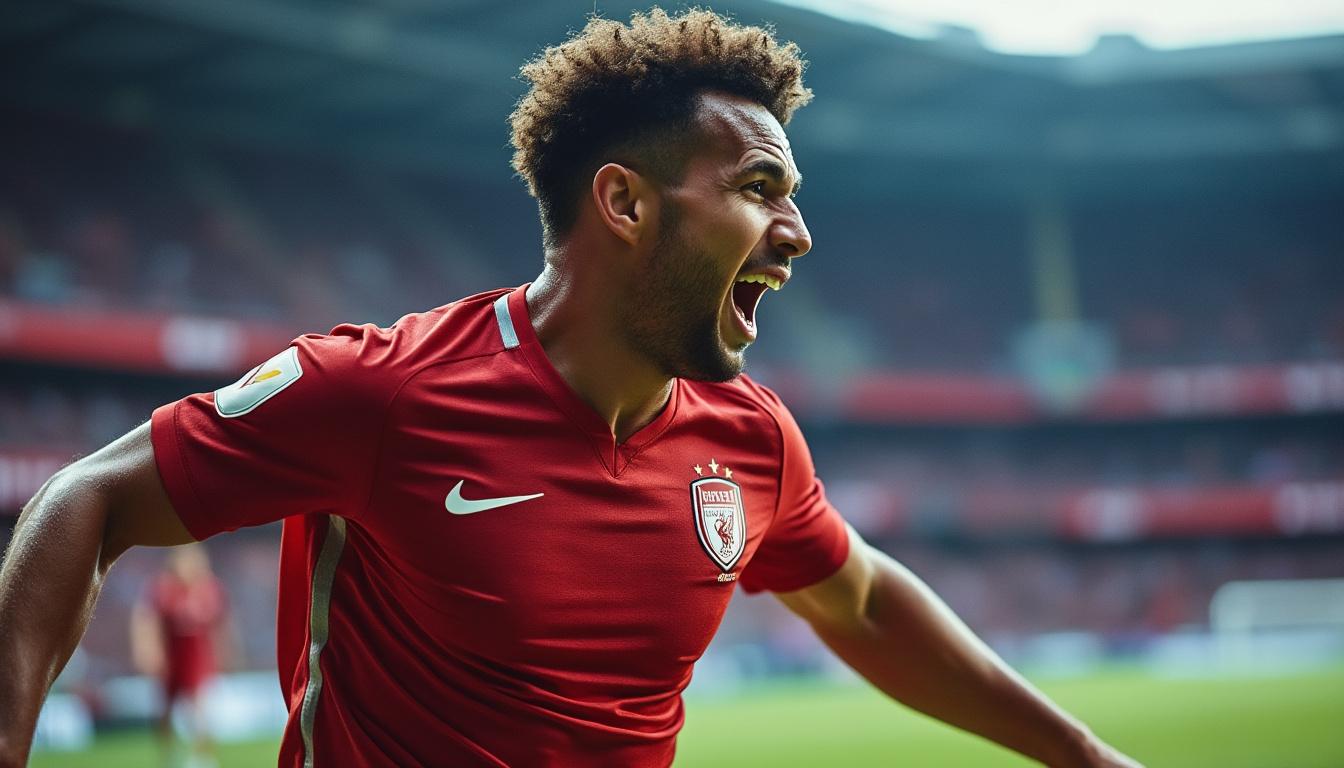
Tweaking Press Heights: How National Teams Adjust Defensive Lines for Tactical Gains
Height adjustments in pressing—often described as PressHeights—are critical components shaping how much territory a national team cedes before applying pressure. Altering press height can dictate game rhythm, influence opponent comfort on the ball, and impact data-driven metrics like possession duration and turnovers in key zones.
Teams like Spain and Holland have pioneered varied pressing heights based on opponent form and match context. A typical high press confines the opposition deep in their half, squeezing their build-up play, while a more moderate or low press affords space but enhances defensive solidity. This delicate balance between risk and control is the focus of ongoing experimentation by national team coaches ahead of major tournaments in 2025.
A national team might opt for an ultra-high block against opponents known for slower, possession-based play, swiftly pressuring defenders upon receiving the ball. Conversely, against fast transition teams, sitting deeper and engaging in a midfield press might neutralize counter-attacking threats while conserving valuable energy.
Press height variations can be summarized as:
- Ultra-high press: Defensive line just past the halfway mark, intense pressure on defenders.
- Mid-block press: Defensive block around midfield line, balanced between pressure and solidity.
- Low-block press: Defensive block closer to own penalty area, focusing on containment and counterattacks.
| Press Height | Description | Example National Team Usage |
|---|---|---|
| Ultra High | Extremely aggressive press deep in opponent’s half | England pressing aggressively during buildup in 2025 friendlies |
| Mid-Block | Balanced pressing at midfield level | Italy using mid-block to control tempo in Nations League |
| Low Block | Deep defensive press inviting opponent pressure | Portugal employing low block vs fast transition opposition |
Adapting press height requires a unified team understanding combined with physical readiness. Raising the defensive line demands speed and precision to avoid being caught out by balls played over or behind. Lowering the line entails discipline and excellent coordination in defensive shape to withstand sustained pressure.
Press Height Adjustments in Real-Time
In international contests, adaptability is crucial as teams frequently switch between pressing heights depending on game state or opponent tactics. Real-time video analysis allows coaching staffs to spot tendencies and adjust lines dynamically, empowering players to better command their defensive space.
These refinements closely link with teams’ use of pressing triggers. For example, a team that identifies common lateral passes or backward touches in an opponent’s build-up may decide to press higher, aiming to suffocate passing lanes earlier. Alternatively, recognizing frequent isolations near touchlines might inspire a slightly lower block with concentrated traps along the wings.
To better understand this dynamic interplay, enthusiasts can explore the latest trends in tactical innovations across competitions which often influence national teams’ approach to PressHeights.
Combining Pressing Triggers and Press Heights: National Team Synergies
One of the most compelling football narratives in 2025 is how top national teams meld the timing of pressing triggers with the deliberate control of their press heights. This synergy determines not just the aggression levels but also the structure and sustainability of pressing efforts.
Teams recognize that the mere presence of a pressing trigger does not justify instantaneous engagement at all costs. Instead, this signal must resonate with the team’s positional context and press height. For instance, a backward pass received near the sideline with the defensive line at midfield height demands rapid, coordinated pressing bursts as players close down passing lanes and push opponents toward the edges trapping them effectively.
Conversely, under a lower press setting, these triggers might demand a more channelled response focusing on containment and forcing long balls or mistakes rather than aggressive ball-chasing. This calibrated approach minimizes energy drain while maximizing the chances of recovery in advantageous areas.
Key integration points include:
- Synchronizing pressing triggers with press height to shape effective pressing zones
- Executing pressing traps by nudging opponents into engineered positional disadvantages
- Balancing aggression and positional discipline based on the stage of the game and player stamina
- Employing video analysis to refine trigger recognition within the press height framework
- Training with scenario-based drills to habituate players to adjusting intensity based on context
This advanced tactical orchestration elevates pressing beyond mere physical exertion into a cerebral and intensely coordinated art, increasingly prevalent at the highest levels, as shown in recent national team clashes across friendlies and competitive fixtures (November 11 international friendlies being a prime example).
| Component | Tactical Focus | Impact on Game Dynamics |
|---|---|---|
| Pressing Triggers | Identifying moments to initiate press | Improves possession wins in key zones |
| Press Height | Determining defensive line positioning | Controls opponent’s playing field and tempo |
| Pressing Traps | Coordinated pressing guided into traps | Leads to turnovers and counter-attack opportunities |
| Team Coordination | Synchronization of pressing and positioning | Maintains defensive solidity while pressing |
Training Intelligent Pressers: Drills and Development for National Squads
As pressing sophistication grows, national team coaches emphasize not only fitness and aggression but also cognitive dimensions—teaching players to be astute readers of the game. Training pressing triggers increases the team’s collective intelligence, ensuring pressing bursts are timely and sustainable.
Typical drills incorporate realistic game scenarios focusing on trigger recognition, such as pressing on backward passes or reacting to poor touches. Small-sided games with constraints, like mandatory delayed pressing or pressing only when specific triggers occur, develop judgment skills vital for high-level PressDynamics.
Well-structured training sessions also cycle players through different pressing roles, from initiating the press to covering teammates and forming pressing traps—building versatile, aware players capable of dynamic responses.
Critical elements in pressing drills:
- Replicate real-game pressures and triggers
- Encourage communication and decision-making under pressure
- Limit pressing to favorable moments to enhance energy efficiency
- Practice transitions immediately after turnovers
- Use video feedback and tactical instructions to refine timing and positioning
These structured practices help teams break away from the scattergun pressing approach often seen in youth football to become well-oiled units that utilize pressing triggers intelligently. This transition fuels national teams’ ability to regain control in the attacking third, increasing scoring chances and shaping match outcomes.
| Drill Type | Focus | Benefits |
|---|---|---|
| Backward Pass Press | Initiating press following backward pass | Enhances rapid team synchronization and anticipation |
| Poor Touch Reaction | Reacting to opponent’s heavy control | Improves opportunistic pressing and turnover rates |
| Body Shape Press | Pressing based on opponent body positioning | Teaches exploitation of tactical weaknesses |
| Pressing Traps | Guiding opponents into trapping zones | Develops collective pressing strategy and patience |
Such detailed training regimens contribute directly to enhanced performances in competitions including the CHAN 2026 qualifiers and other international fixtures, highlighting the evolving nature of NationalTeams readiness.
Leveraging Video Analysis and Data for Next-Level Pressing Strategies
Technology has become an indispensable tool for national teams aiming to refine their pressing strategies. Detailed video breakdowns allow tactical staff to analyze pressing triggers in opponents’ setups, while data analytics can pinpoint when pressing bursts yield the highest success rates.
Coaches use video feedback in training sessions to illustrate missed opportunities or perfect executions of pressing triggers, bridging the gap between theory and action on the field. Data-driven insights help modulate pressing heights and intensity to adapt to opponents and game conditions, adding a scientific layer to what historically was a physical contest.
The integration of AI-assisted tools and predictive modeling is also on the rise, assisting teams in crafting bespoke TeamStrategies for pressing based on detailed opponent profiling. This forward-thinking approach meshes seamlessly with traditional coaching wisdom, pushing the boundaries of what pressing systems can achieve in 2025.
For keen followers looking to deepen their understanding, exploring the broader football ecosystem through platforms like power rankings or tactical analyses during tournaments reveals how pressing adjustments impact outcomes beyond the pitch.
Such data-driven and video-supported methods ensure that national teams not only evolve their pressing game but do so with sustainable precision—demonstrating why pressing remains one of the most compelling and complex elements of modern FootballTactics.
What exactly are pressing triggers and why do they matter?
Pressing triggers are specific cues like backward passes or poor touches that signal a team to initiate coordinated pressing. They matter because they prevent chaotic, wasteful pressing and maximize chances of winning the ball.
How do teams decide their press height?
Teams adjust press height based on opponent style, game context, and player readiness. High press smothers opponents early, while mid or low blocks balance pressure with defensive solidity.
Can pressing be sustainable over a full international match?
Yes, but sustainability depends on intelligent pressing based on triggers rather than constant high-intensity chasing. Proper training and tactical discipline ensure energy conservation.
How do pressing traps work?
Pressing traps guide opponents into wide or isolated areas with limited passing options, allowing the defending team to collapse and regain possession effectively.
What role does technology play in pressing strategies?
Video analysis and AI tools help identify pressing moments and opponent weaknesses, allowing teams to design precise pressing plans and train players accordingly.


