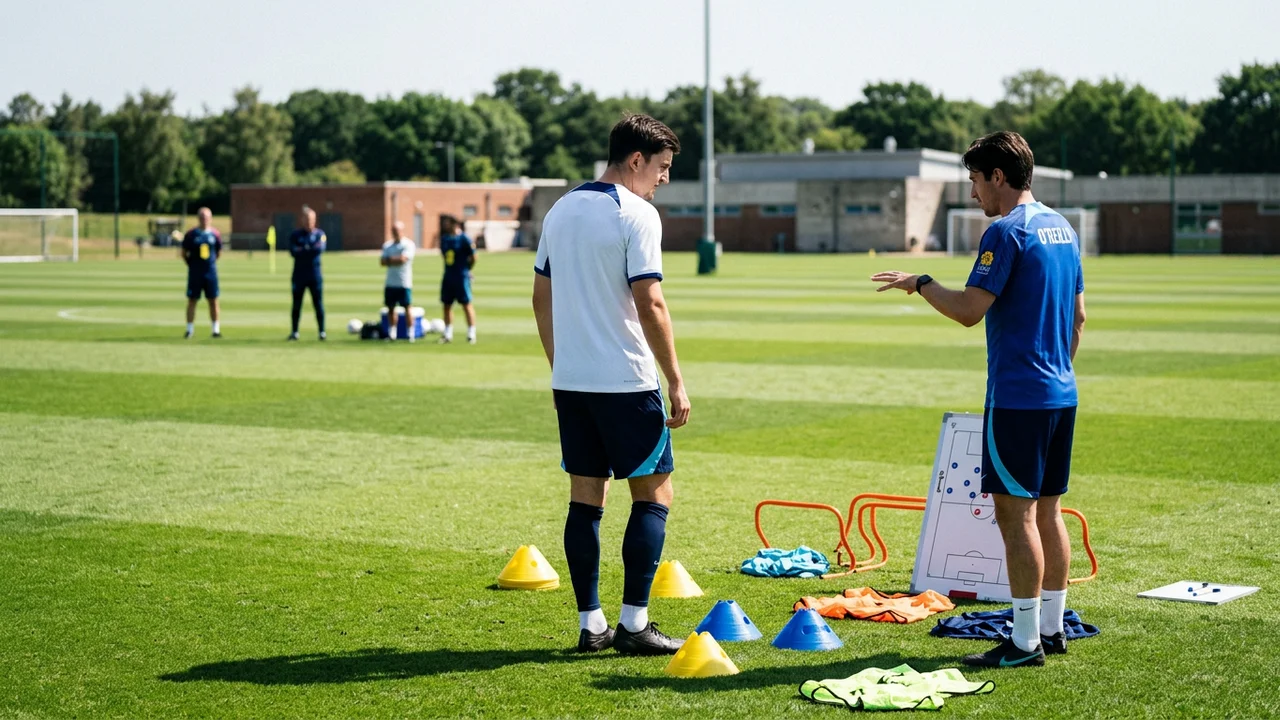
England’s national team has never shied away from rolling the dice on attacking talent, but the results have rarely been straightforward. Michael Owen’s breakout at the 1998 World Cup, the endless Gerrard-Lampard debate, each era brings its own questions of balance versus flair, loyalty versus form, and the elusive formula that might finally end decades of frustration.
Now, the spotlight falls on Marcus Rashford and the rising O’Reilly. Scrutiny is sharper than ever. Past failures to unlock England’s attacking potential have left supporters and pundits skeptical, and every selection is dissected for signs of progress or repetition. Have lessons been learned, or are old mistakes simply wearing new faces?
Rashford’s Role: Reputation Versus Reality

Marcus Rashford shoulders immense expectation, but his place in the starting eleven is far from secure. Recent performance data paints a picture of a player whose output swings wildly from match to match. He’s capable of brilliance, yet doubts persist about his consistency and fit within England’s tactical setup.
His record for England is solid, but not spectacular. Rashford scores, but not at the rate of the world’s elite. The debate centers on whether his speed and directness warrant a starting role, especially when alternatives might offer greater tactical cohesion. His conversion rate has slipped in recent games, and his decision-making in the final third has looked increasingly erratic. For a team desperate to break a cycle of near-misses, these are not minor concerns.
Inside the camp, some question whether Rashford’s defensive work rate and positional discipline meet the demands of tournament football. He’s not the first England forward to face such doubts. The ghosts of past selection controversies linger, fueling fears that reputation still trumps form when it matters most.
O’Reilly and the Search for Tactical Flexibility
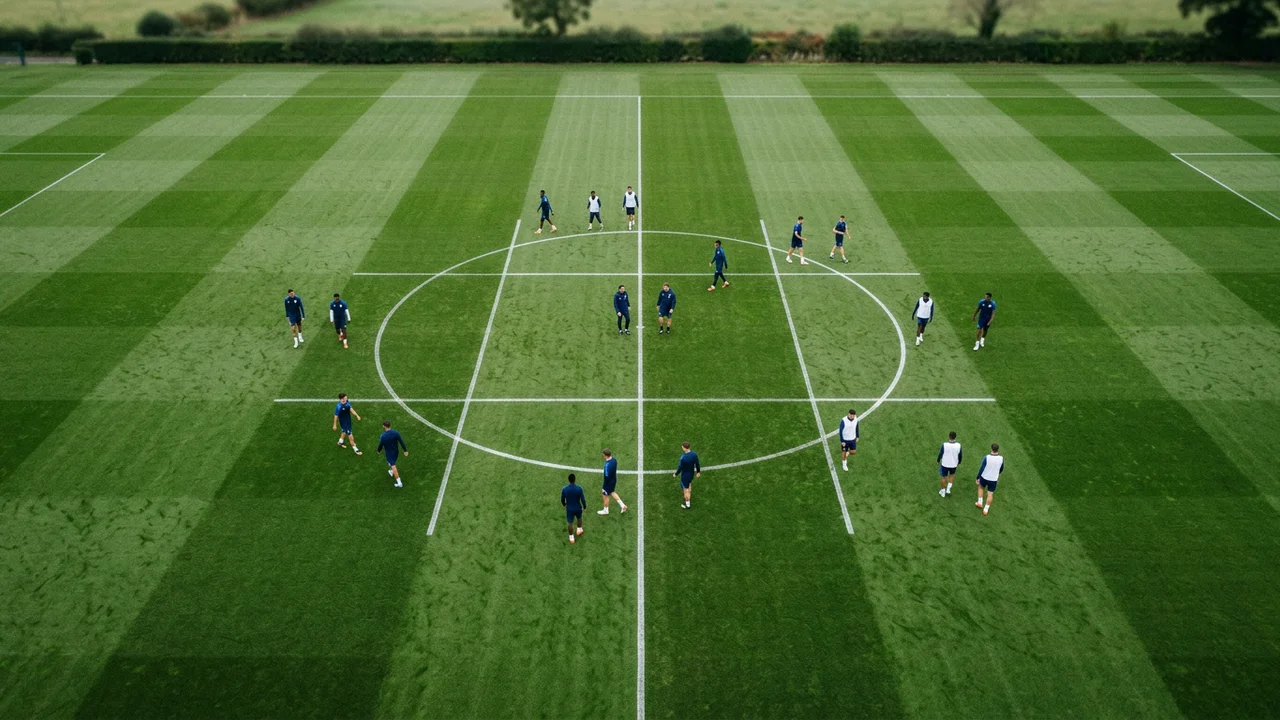
O’Reilly’s emergence as a genuine attacking option brings a new dimension to the conversation. His rise has been swift, even surprising to some. With technical skill and an ability to operate between the lines. O’Reilly offers a tactical flexibility England squads have often lacked.
But integrating O’Reilly is a gamble. His limited international experience makes him a potential target for opposition analysts, and there are real questions about whether he can handle the pressure of a major tournament. Still, his club form is impossible to ignore. O’Reilly’s chance creation rate eclipses several established names, hinting at a player who could unlock stubborn defenses when it counts.
Is this the start of a genuine tactical evolution, or just another desperate search for a quick fix? England’s history offers little reassurance. Previous attempts to inject fresh blood, think Theo Walcott’s shock call-up in 2006, have produced mixed results and often exposed the lack of a coherent long-term plan.
Supporters trying to gauge England’s prospects must see these attacking selections as part of a much longer story. Despite flashes of progress, the team seems stuck in a loop of experimentation and self-doubt. The debate isn’t just about Rashford or O’Reilly; it’s about the ongoing struggle to forge an identity strong enough to withstand the pressures of tournament football.
Recent head-to-head records against elite opposition highlight the risks. England’s attack has too often faltered at decisive moments, raising doubts about whether the current tactical approach can deliver when the stakes are highest.
Soon, the answers will come on the pitch. Every decision will be laid bare. For those seeking deeper insight, recent attacking trends may reveal more than reputation or hype ever could. A detailed breakdown of England’s attacking depth for tournament football is available via this analysis of England’s attacking depth in recent tournament finals.
As England readies its latest attacking blueprint, history’s weight is impossible to ignore. Bold selections, wavering tactical conviction, and relentless scrutiny remain constants. O’Reilly’s creative spark and Rashford’s unpredictable output now form the core of another high-stakes experiment, watched by a nation all too familiar with the cost of getting it wrong.