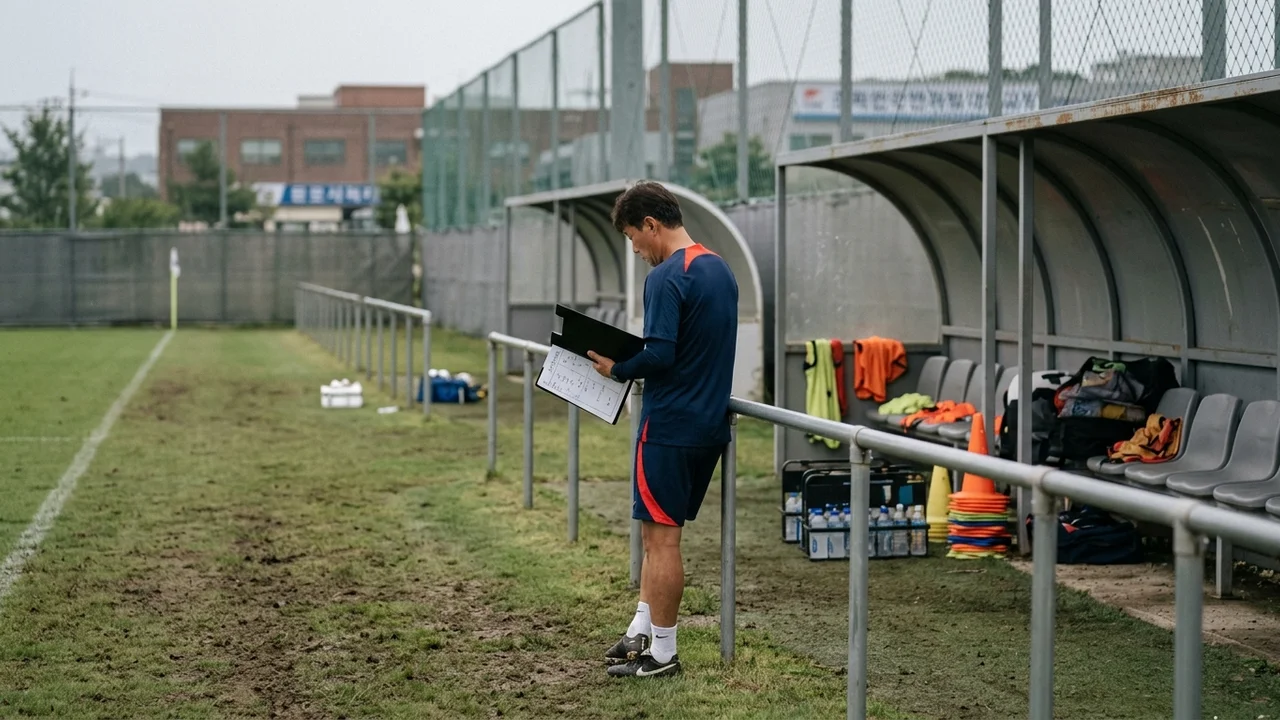
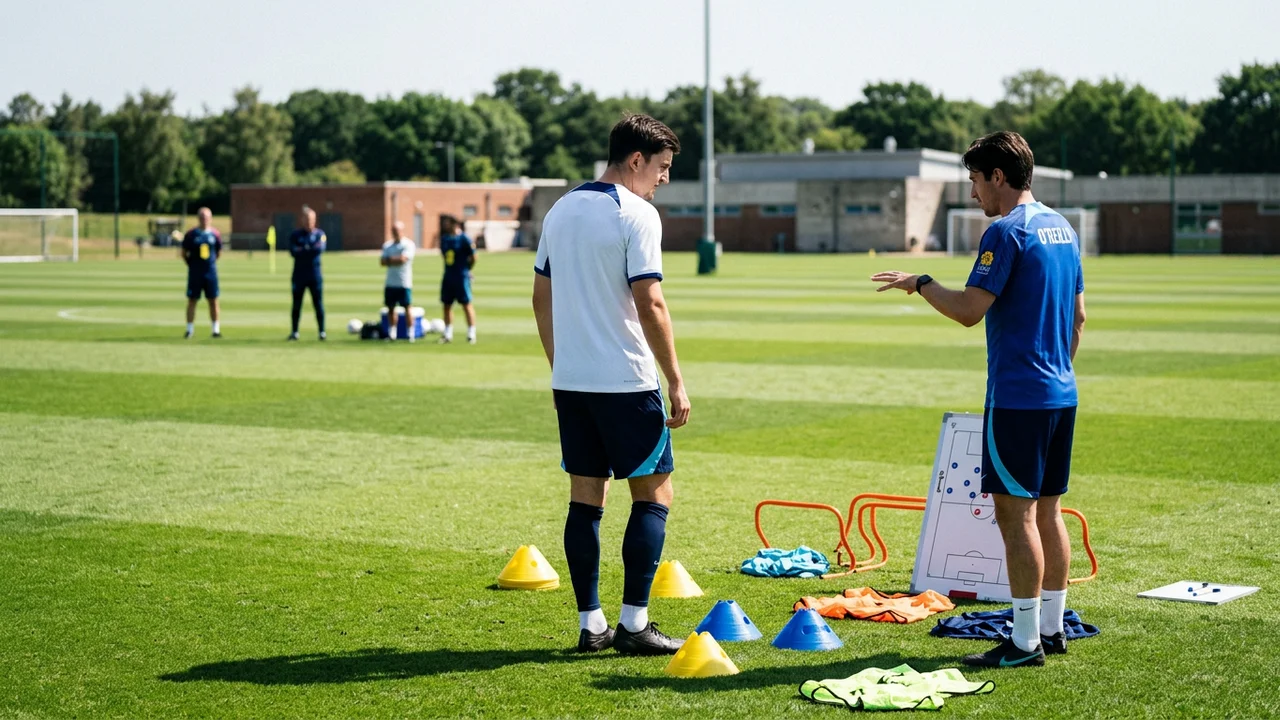
Set pieces are shaping the outcomes of World Cup knockout matches and sending ripples through the football economy. Corners and free kicks have become more than tactical weapons, they’re now key drivers of player valuations and club financial strategies.
As the knockout rounds heat up, dead-ball situations are deciding fates. Clubs are taking notice, rethinking transfer targets and wage structures to reflect the growing influence of set piece specialists. A single well-placed free kick or corner in a high-stakes match can send a player’s transfer value soaring, their ability to deliver under pressure now proven on the world’s biggest stage.
Agents and sporting directors are moving quickly. Players who shine in these moments are seeing contract terms renegotiated, with new premiums for free-kick takers and aerial threats. It’s not just about the transfer fee anymore. Performance-based incentives and image rights deals are increasingly tied to those match-winning set piece moments.
Set Piece Performance and Its Impact on Player Market Value

Analysis from the 2026 tournament shows a clear pattern: teams advancing deep into the knockouts are capitalizing on set piece opportunities. Clubs tracking these players know that a single set piece contribution can be worth millions in future negotiations.
Scouting departments are now poring over set piece data from the World Cup, prioritizing players who consistently deliver in dead-ball scenarios. The logic is simple. A player who scores or assists from a set piece in a knockout game can command a higher salary and a longer contract, with their impact translating directly to trophies and Champions League revenue.
Statistical models are getting more sophisticated. Clubs want to know the potential return on investment for acquiring set piece specialists. Industry insiders report that a midfielder who scores or assists via a set piece in a World Cup quarterfinal might see their transfer value jump by 10 to 20 percent overnight.
Bonus structures are evolving, too. Clubs are offering extra incentives for goals and assists from set pieces, acknowledging their outsized impact on the biggest matches. The financial ripple effects don’t stop there. Brands are eager to associate with players who produce iconic World Cup moments, driving up sponsorship value.
Bookmakers are adjusting as well. Team set piece statistics are now shaping odds and betting lines for knockout matches. One well-executed set play can shift the financial trajectory of both players and clubs. For those interested in the betting angle, resources are available to review set piece trends in World Cup predictions.
Transfer windows are about to get even more competitive. Clubs are reportedly prepared to break wage ceilings for proven World Cup set piece experts. The arms race is on, and the financial rewards for knockout stage success are only growing.
Stock prices and sponsorship renewals are also in play. A decisive World Cup set piece can catapult a player’s global profile, triggering new commercial deals and a surge in merchandise sales for their club.
Football’s business landscape is now deeply entwined with the tactical exploitation of set pieces. Clubs are searching for every possible edge in the transfer and commercial markets. In the context of the 2026 FIFA World Cup, executives are tracking not just the goals, but how those goals are scored, hunting for the next lucrative signing. Those seeking up-to-date outcomes from the tournament can follow the latest World Cup results and their business implications.
A single set piece in a World Cup knockout game now carries the potential to shift millions in the football economy. Clubs and agents are moving fast to capitalize on breakout moments.