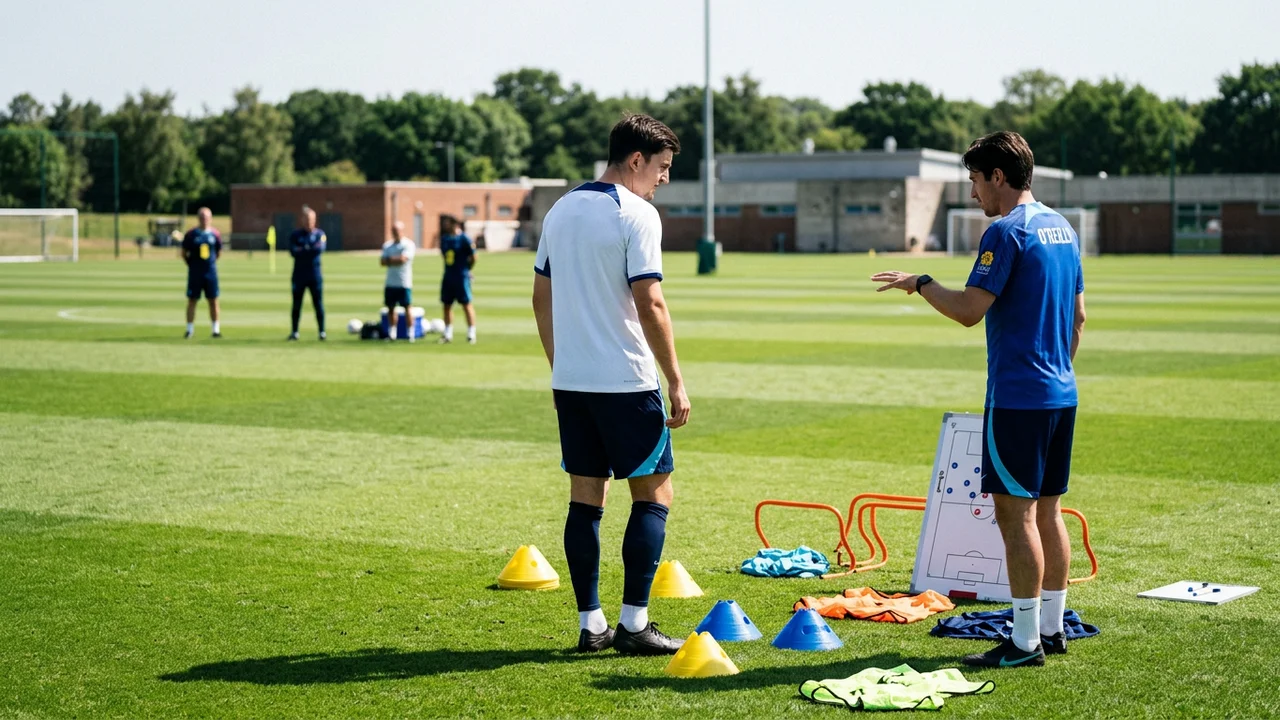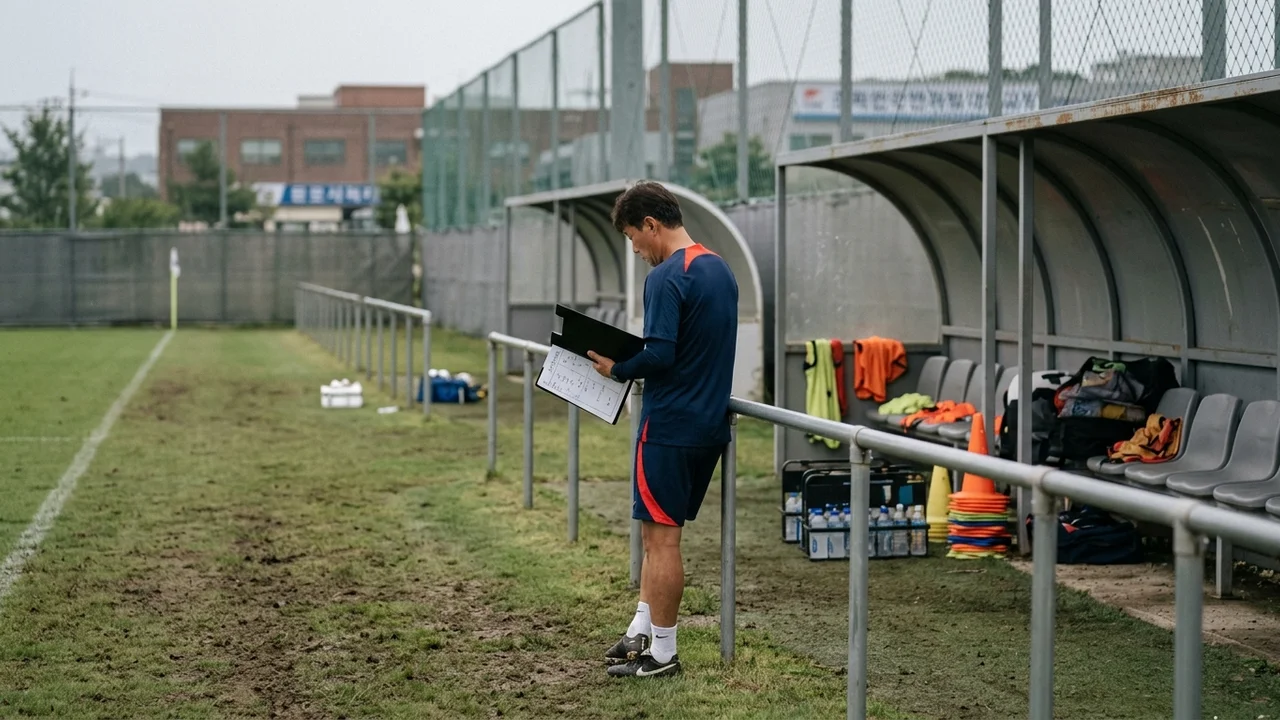
Tactical decisions have repeatedly haunted South Korea’s World Cup campaigns. The 2014 group-stage exit under Hong Myung-bo, defined by disjointed pressing and a midfield lacking control, forced a period of soul-searching. Twelve years later, history repeated itself. Hong, back at the helm, watched his team stumble at the same stage, this time with the spotlight fixed on his controversial decision to bench Son Heung-min against South Africa.
Pressing Problems and Formation Risks

Hopes were high for this South Korean squad, built around Son. Lee Kang-in, and Kim Min-jae. Yet, old problems resurfaced. The pressing structure failed to disrupt opponents’ buildup, and the midfield often looked exposed.
A 2-1 win over the Czech Republic in the opener, with a compact 4-2-3-1 and Lee orchestrating from deep, offered early optimism. That optimism faded quickly. Defeats to Mexico and South Africa revealed a pressing shape that unraveled under pressure. Against Mexico, the double pivot in midfield couldn’t shield the defense, leaving full-backs isolated and vulnerable. The South Africa match, where a draw would have been enough, brought a bold, and costly, gamble: Son was left out of the starting lineup, with the coaching staff reportedly prioritizing verticality and defensive solidity.
That gamble failed. South Korea’s first half was defined by sterile possession and a toothless attack. Son’s absence between the lines meant South Africa’s low block remained untroubled, and pressing triggers rarely led to turnovers in advanced areas. When Son finally entered after halftime, the attack gained some urgency, but the shift came too late. The lone goal conceded exposed a team caught between pressing high and maintaining a compact block.
Tactical Legacy and Structural Faults

Hong Myung-bo resigned immediately after the exit, echoing his 2014 departure and reigniting criticism over his tactical rigidity and personnel choices. His second stint never shook off doubts about his pressing schemes or his ability to adjust mid-game. Benching Son in a must-not-lose match will be dissected for years as a gamble that prioritized collective structure over individual brilliance.
South Korea’s group-stage collapse wasn’t the result of a single mistake. The real issue was a failure to adapt pressing systems to the unique demands of tournament football. Across all three matches, the counter-press lacked the synchronization needed to win the ball back in dangerous areas. The midfield triangle wavered between aggression and caution, opening gaps that opponents exploited in transition.
Son’s form compounded these problems. Now 33 and playing for LA FC, he failed to score or assist in three matches, a rare drought for the country’s joint-top World Cup scorer. His struggles, whether in the left half-space or as a false nine, reflected not just a personal dip but a system unable to deliver the ball into high-value areas.
Forward Pressures and Unanswered Questions
Recriminations came quickly. President Lee Jae Myung publicly blasted the football leadership’s “incompetence” and demanded sweeping changes in sports administration. Yet the tactical debate will focus on two unresolved issues: the effectiveness of South Korea’s pressing system and the use of its star player when it matters most.
Son’s public apology captured the emotional fallout. But the bigger question is whether the next manager can build a flexible structure that actually plays to the strengths of its core players. The 2026 World Cup now stands alongside 2014 as another painful chapter, where formation choices and pressing philosophies became the center of national debate.
South Korea’s elimination was sealed when they finished outside the eight best third-placed teams. A single draw in the final group match would have kept them alive. Son, introduced for the second half, could only watch as the system around him failed one last time.