Newcastle United began planning for Eddie Howe’s exit as manager at the start of the year, sporting director Ross Wilson confirmed.
The club’s leadership had contingency plans in place for eight or nine months before Howe stepped down in late July, Wilson said. Newcastle immediately appointed Matthias Jaissle, identified as a preferred successor, ensuring a rapid transition without major disruption to squad preparations or transfer strategy.
Club finances shaped transfer policy and key sales
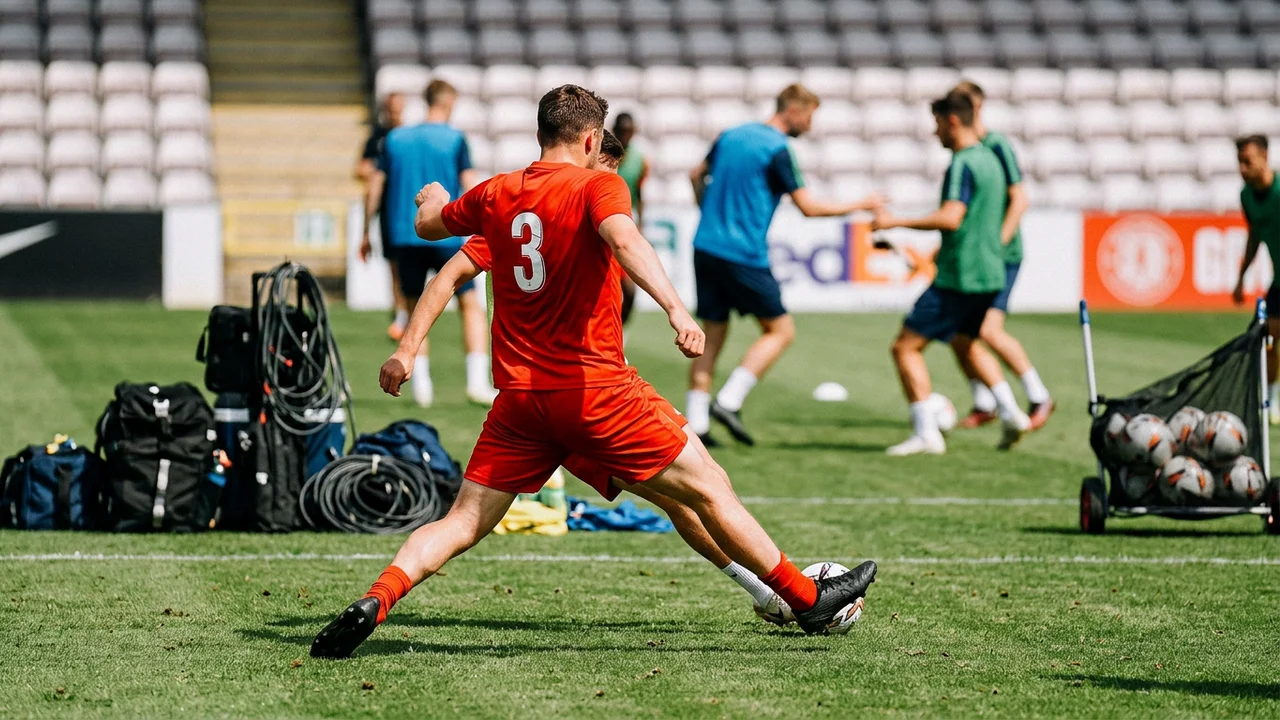
Wilson described the summer as measured, not chaotic. Extensive advance planning allowed the club to respond quickly when Howe’s departure was confirmed just three weeks before the new season. The groundwork had been laid for a managerial change, reflecting an approach focused on business continuity and risk management.
The club’s financial obligations dictated their transfer activity. Newcastle entered a settlement agreement with Uefa after breaching European spending rules last season. To meet these conditions and balance the books, the club executed high-value player sales, offloading Anthony Gordon and Sandro Tonali for a combined total close to £170 million. These transactions were essential to maintaining compliance and safeguarding the club’s financial position.
Despite these planned moves, Wilson admitted the sale of Bruno Guimarães to Arsenal for £75 million was a significant blow. “There’s no point pretending otherwise: we did not want to lose Bruno Guimarães. That was really disappointing,” Wilson said. Guimarães’ departure was not part of the original financial strategy, but became necessary under the club’s circumstances.
Newcastle’s player sales this summer amounted to approximately £245 million. This figure demonstrates the club’s commitment to meeting regulatory requirements and stabilising its financial outlook amid competitive pressures in the transfer market.
Contract strategy and market realities
Wilson emphasized that the club’s planning allowed for quick action, but acknowledged the unpredictable nature of the transfer market. Not every signing matched the top targets on Newcastle’s recruitment list. Some deals reflected long-standing scouting and negotiation, while other moves responded to market developments or setbacks in pursuit of preferred options.
The club’s business-first approach extended to contract and settlement negotiations. Newcastle’s ability to secure a settlement agreement with Uefa and execute large-scale player sales highlights their pragmatic stance in protecting long-term interests, even when this required letting go of key talent.
Wilson credited Howe with significant achievements, including delivering the 2025 Carabao Cup and restoring the club’s competitive profile. He stressed that while Howe’s eventual departure was a scenario the club had anticipated, respect for his contribution was undiminished.
The transfer window underlined how financial constraints and regulatory compliance now shape the business of top-level football. Newcastle’s summer was defined by large fees, contract settlements, and an approach that prioritized business resilience over sentiment.
The market for football assets remains volatile. The club’s actions reflect how financial planning and regulatory frameworks increasingly determine transfer strategy. These dynamics are closely watched by those interested in football transfer market trends and the impact of major deals on club finances.
Wilson’s comments reveal that Newcastle’s leadership believes robust planning is now essential, both for maintaining compliance and for responding to the unpredictability of player movement and managerial changes. The club’s experience this summer offers a case study in how financial imperatives drive decision-making at the highest level.